

When a headache strikes, you probably reach for a glass of water or think about how long your day has been. You might not consider that the source of the pain could be in your mouth. But the connection between your oral health and your overall well-being is stronger than many people realize.
This connection means that issues with your teeth can sometimes show up as pain elsewhere, like your head. Yes, a cavity can definitely cause a headache, along with other dental problems. Understanding how this happens is the first step in finding relief for your family.
The Connection Between Your Teeth & Headaches
You might be surprised to learn that a tooth problem can lead to head pain. Your teeth, jaw, and head have many shared nerves and muscles. When a tooth is in distress, such as from a cavity or infection, this can trigger pain that you feel in other places, including your head.
How Tooth Pain Travels
Pain from a toothache isn’t restricted to your mouth. This is because of a large nerve called the trigeminal nerve that’s responsible for sensations in your face, including your teeth, gums, and jaw. When a cavity irritates a tooth’s nerve, the pain signal can travel along the trigeminal nerve into your face and jaw, where it may register as a headache.
These sorts of headaches often appear on the same side as the sore tooth, which can help you connect the two.
The Role of Your Jaw Muscles
When you have a toothache, you may change how you chew to avoid the sore spot or even find yourself clenching your jaw. This subconscious adjustment can strain your jaw muscles.
Over time, this muscle tension can lead to what’s known as a tension-type headache. You might notice the headache feels worse after eating or first thing in the morning if you clench your jaw while you sleep. The discomfort is your body’s way of telling you something is out of balance.
Signs a Tooth Problem Causes Your Headache
It can be tricky to figure out the source of a headache, especially with so many potential causes. However, there are specific clues that can point to a dental issue. If you experience any of the following symptoms along with your head pain, a dental concern might be the reason:
- Pain that seems to start near your ear, eye, or behind your cheekbone
- A headache that gets worse when you chew or touch a specific tooth
- Pain on only one side of your head or face
- A constant, dull ache that doesn’t respond to typical headache remedies
- Swelling in your face or gums
- A bad taste in your mouth
Common Dental Issues That Lead to Headaches
While cavities are a frequent cause of tooth-related headaches, other dental and jaw problems can also result in head pain. It’s helpful for your family to be aware of these other potential sources.
Tooth Decay & Cavities
A small cavity on the surface of your tooth may not cause any symptoms. But as decay progresses deeper into the tooth, it can reach the sensitive inner pulp where the nerve lives. This is when you start to feel significant pain.
The inflammation and infection caused by deep cavities can trigger pain signals that spread to your head. If left untreated, cavities can also lead to an abscess, a pocket of pus, which creates even more pressure and severe, throbbing pain that can be felt in your jaw and head.
Bruxism—or Teeth Grinding
Many people grind their teeth, especially at night, without even realizing it. This condition, known as bruxism, puts a lot of pressure on your teeth and jaw joints. The constant force of grinding can wear down your enamel and strain the muscles you use for chewing.
This constant muscle activity is a common reason why people wake up with a dull headache or a sore jaw. If you notice your teeth are ground down or chipped, or if your sleep partner hears you grinding them, this could be the hidden source of your recurring head pain.
Temporomandibular Joint (TMJ) Issues
Your temporomandibular joint, or TMJ, is a hinge that connects your jaw to your skull. You have one TMJ on each side of your head. The TMJ is a complex structure that allows you to talk, chew, and yawn. If this joint is misaligned, inflamed, or strained, it can lead to a TMJ disorder (TMD).
Symptoms of TMJ issues often include jaw pain, clicking, or popping sounds when you open your mouth, as well as difficulty chewing. Because of the TMJ’s location, pain and tension frequently radiate to the surrounding muscles, causing persistent headaches that feel like they’re centred around your ears or temples.
How to Find Relief from a Tooth-Related Headache
The best long-term solution is to treat the underlying dental problem. However, you can take some simple steps at home to help manage the discomfort until you can see your dentist.
- Cold Compress: Apply a cold pack wrapped in a thin towel to the outside of your cheek for 15-minute intervals. The cold can help reduce inflammation and numb the area, easing both the toothache and the associated head pain.
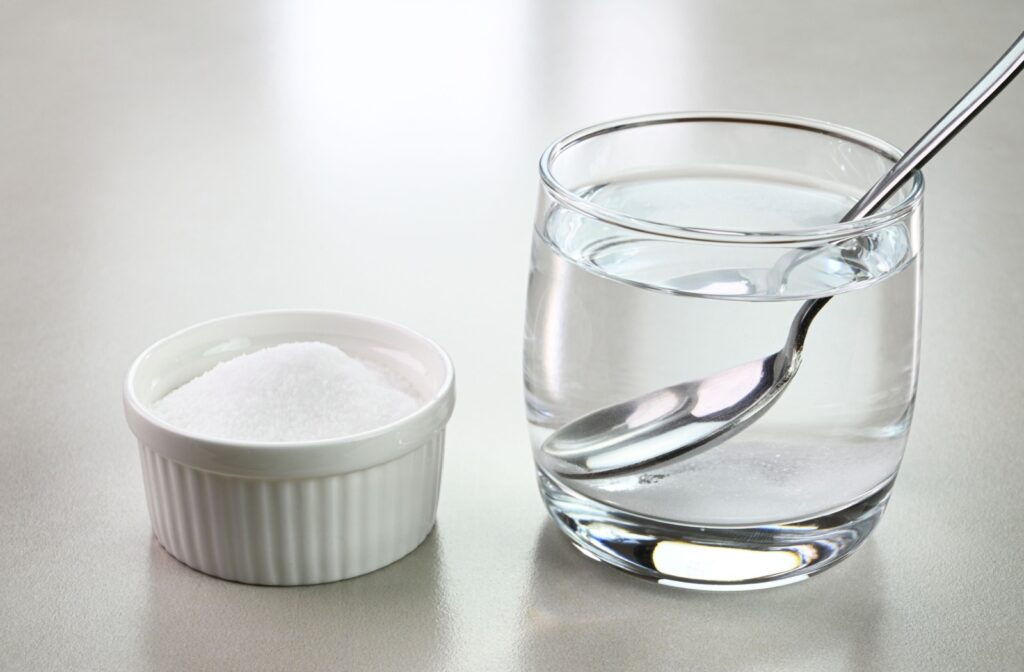
- Saltwater Rinse: Gently swish with a cup of warm water mixed with half a teaspoon of salt. This simple rinse can help clean the area around the sore tooth, remove food particles, and soothe gum irritation that might be contributing to your pain.
- Soft Foods: Give your jaw a break by sticking to soft foods like yogurt, soup, or smoothies. Avoiding hard or chewy foods can reduce the strain on your teeth and jaw muscles, which may help lessen the intensity of your headache.
When to Schedule a Dental Appointment
Home remedies can be helpful, but they don’t solve the root cause of the problem. If your headache persists or if you suspect that a tooth is the problem, it’s a good idea to book a dental check-up.
If you have a tooth that hurts when you eat or is sensitive to hot or cold temperatures, or if you have a headache that just won’t go away, it’s time to get yourself checked out. These symptoms are your body’s way of signalling that there’s an issue that needs to be addressed.
What to Expect at Your Appointment
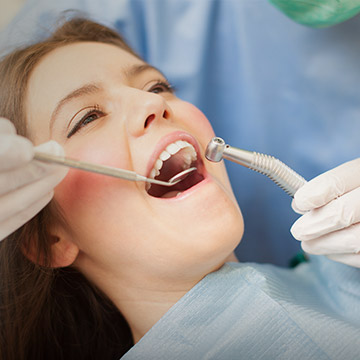
As your dentist in St. Albert, we’ll perform a thorough examination of your teeth, gums, and jaw. We may also take a dental X-ray to get a clear picture of what’s happening beneath the surface. This helps us identify the full extent of cavities or other issues.
Once a diagnosis is made, we can discuss what’s needed to fix the problem. Whether it’s a simple filling, a custom nightguard for grinding, or another solution, the goal is always to restore your oral health.
If you or a family member is struggling with persistent headaches and suspects that a dental issue could be the cause, we’re here to help. Contact us at Otara Dental today to request an appointment.
We can help you get to the root of the problem and back to feeling your best.